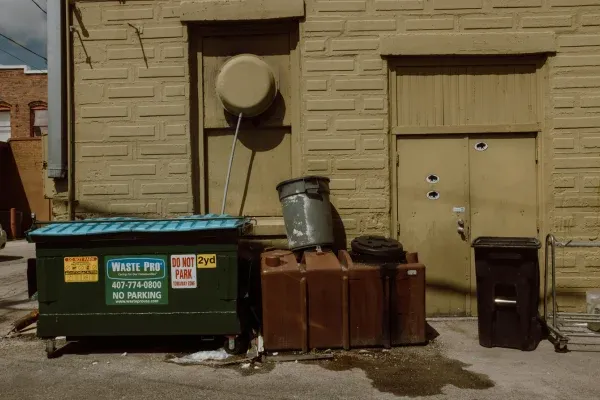
Dumpster Pad Cleaning in Edwardsville, IL: A Guide for Local Businesses
A dumpster area can go from “not too bad” to downright unpleasant faster than you might expect. One leaking trash bag, a few hot Illinois afternoons, some spilled food waste, and suddenly you have stains, odors, insects, and grime collecting around the dumpster enclosure.
That is why dumpster pad cleaning in Edwardsville, IL deserves more attention than it usually gets. Whether you own a rental property, manage a small commercial building, belong to a homeowners association, or simply want to understand how these areas should be maintained, keeping a dumpster pad clean can make a noticeable difference.
Here in Edwardsville, our weather does not exactly make the job easier. Hot, humid summers can intensify garbage odors, while rain spreads residue across concrete. Then winter brings freezing temperatures, snow, road salt, and repeated freeze-thaw cycles that can make neglected concrete even harder to maintain.
At Trash Can Pandas, we help property owners deal with the mess before it becomes a bigger problem. Below, we will walk you through what dumpster pad cleaning involves, why it matters, how often it should be done, and what you should know before having your property cleaned.
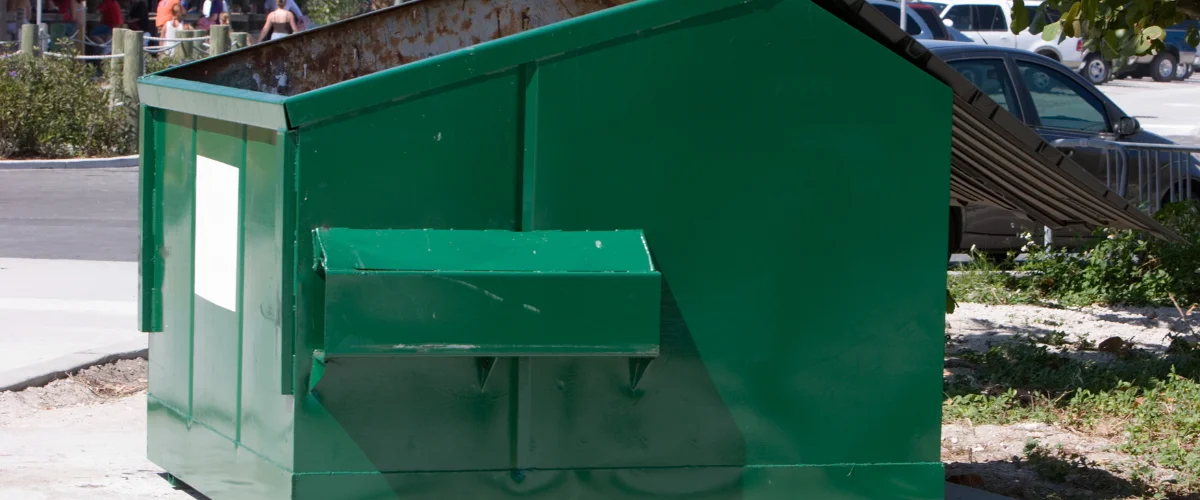
What Is Dumpster Pad Cleaning?
Dumpster pad cleaning is the process of thoroughly washing and sanitizing the concrete or paved area underneath and around dumpsters, trash enclosures, and commercial waste containers.
This is different from simply spraying the area with a garden hose.
Over time, dumpster pads collect a combination of:
Grease and cooking oil
Food residue
Trash liquids
Dirt and mud
Mold and mildew
Organic buildup
Sticky drink residue
Animal waste
Dumpster leakage
Rust stains
Tire and vehicle marks
Leaves and other debris
Some of that material can soak into porous concrete. Once it does, ordinary rinsing usually does very little.
Professional dumpster pad cleaning uses appropriate cleaning methods, equipment, and detergents to break down stubborn buildup and remove contamination from the surface.
Why Dumpster Pads Get So Dirty
A dumpster pad is one of the hardest-working surfaces on many properties.
Trash bags are dragged across it. Garbage trucks drive over it. Dumpster wheels scrape against it. Liquids leak onto it. Food falls onto it. Rain washes everything around.
If you manage a restaurant, apartment property, office, retail building, HOA, rental property, or other location with shared waste containers, the buildup can happen surprisingly quickly.
Leaking Trash Bags
One torn garbage bag can release liquids containing food residue, beverages, sauces, grease, and other organic material.
Those liquids do not always remain on the surface. Concrete is porous, which means contamination can settle into tiny openings in the material.
Dumpster Leaks
Dumpsters themselves can leak.
Old containers, damaged drain plugs, liquids thrown into the dumpster, or waste compacting inside the container can all create unpleasant runoff.
Once that liquid reaches the concrete, it can leave dark stains and strong odors.
Food Waste
Food waste is one of the biggest reasons dumpster areas smell.
Restaurants obviously face this problem, but so do apartment complexes, multifamily properties, grocery locations, offices, schools, and other buildings where people regularly dispose of food.
Warm weather makes the situation worse because organic material breaks down more quickly.
Why Edwardsville Weather Matters
If you live or own property in Edwardsville, you already know southwestern Illinois weather can be unpredictable.
That matters more for exterior cleaning than many people realize.
Hot and Humid Summers
Warm temperatures accelerate decomposition.
When food particles, grease, and trash liquids remain on concrete during hot weather, odors can become significantly stronger. Flies and other pests are also more active during warmer months.
Humidity can contribute to algae, mildew, and other surface growth in shaded or poorly drained areas.
Spring Storms and Heavy Rain
Rain does not necessarily “wash the dumpster pad for you.”
In many cases, it does the opposite.
Stormwater can spread grease, garbage residue, and loose debris farther across the property. If the dumpster area has drainage problems, dirty water may collect in low spots.
Keeping the surface clean helps reduce the amount of accumulated contamination available to be moved around when heavy rain arrives.
Freezing Temperatures
Winter presents another challenge.
Moisture that settles into concrete can freeze and expand. Edwardsville's repeated freeze-thaw cycles can already be hard on outdoor concrete, particularly if the surface has cracks or deterioration.
Although cleaning cannot repair damaged concrete, keeping the area maintained can prevent layers of grime, grease, and debris from making winter maintenance even more difficult.
Fall Leaves
Leaves seem harmless until they pile up behind a dumpster.
When leaves mix with water, trash liquids, food particles, and dirt, they create a damp layer of organic material that can stain concrete and produce unpleasant smells.
Regular cleaning prevents that buildup from remaining unnoticed for months.
Why Regular Dumpster Pad Cleaning Is Important
A dumpster may be hidden behind a building, fence, or enclosure, but that does not mean nobody notices it.
Employees notice. Tenants notice. Customers notice. Delivery drivers notice. Neighbors notice.
And if odors become strong enough, everyone nearby notices.
Odor Control
One of the biggest benefits of professional cleaning is odor reduction.
A common mistake is assuming the dumpster itself is responsible for every bad smell. Sometimes it is. But often the concrete underneath the container contains months or even years of grease, food residue, and trash liquids.
Removing that buildup attacks odors at their source rather than simply covering them with a fragrance.
Pest Prevention
Dirty dumpster areas can attract:
Flies
Ants
Cockroaches
Rodents
Raccoons
Other animals searching for food
Cleaning cannot guarantee that pests will never appear, but removing food residue and organic buildup makes the area considerably less inviting.
If you have ever walked past a dumpster pad covered in spilled food, you can probably understand why pests find it attractive too.
Better Curb Appeal
First impressions matter, including areas customers are not technically supposed to see.
A restaurant may have a beautiful entrance, spotless dining room, and carefully maintained landscaping. But if customers smell the dumpster area from the parking lot, that impression changes quickly.
The same applies to apartment communities and rental properties. Residents want the entire property to feel maintained, not just the areas visible in promotional photos.
Safer Walking Surfaces
Grease and decomposing organic material can make concrete slippery.
Employees may need to walk to dumpsters while carrying heavy trash bags, sometimes at night or during rainy weather. Removing greasy buildup helps improve the condition of the walking surface.
Cleaning should be considered one part of overall property safety and maintenance.
Protecting Your Concrete
Dumpster pad cleaning is not concrete restoration, but routine maintenance can help keep contaminants from sitting on the surface indefinitely.
Grease, oils, salt, organic waste, and other materials can stain concrete and make future cleaning increasingly difficult.
The longer buildup remains, the more stubborn it can become.
What Does Professional Dumpster Pad Cleaning Involve?
Every property is different, but the general process typically begins with evaluating the dumpster area and determining what type of buildup is present.
The condition of the concrete matters too.
An older, cracked dumpster pad may require a different approach than newer commercial concrete.
Removing Loose Debris
Loose garbage and debris should be dealt with before deep cleaning begins.
This may include:
Paper
Cardboard
Leaves
Food debris
Broken bags
Loose trash
Removing surface debris allows the cleaning process to target the concrete rather than simply moving garbage around.
Pretreating Grease and Organic Buildup
Greasy stains often require pretreatment.
A suitable cleaning solution helps loosen oils, food residue, and other contaminants from the concrete.
This step is especially valuable around restaurants and food-service properties where grease can accumulate quickly.
Pressure or Power Washing
Commercial cleaning equipment can then loosen embedded dirt and residue.
The goal is not simply to blast the concrete with the highest possible pressure. Excessive pressure can damage certain surfaces.
A knowledgeable technician chooses appropriate pressure, equipment, technique, and cleaning products based on the condition of the surface.
Addressing Problem Areas
Dumpster corners, enclosure walls, areas beneath the container, and drainage points often need additional attention.
These are the places where dirty water and waste residue tend to collect.
Pressure Washing vs. Dumpster Pad Cleaning
People sometimes use these terms interchangeably, but there is an important distinction.
Pressure washing describes a cleaning method. Dumpster pad cleaning describes the overall service.
A thorough service may involve pressure washing, cleaning solutions, degreasing, surface inspection, debris removal, and careful treatment of problem areas.
Simply spraying water at stained concrete may improve its appearance temporarily without actually addressing grease and organic residue.
How Often Should You Clean a Dumpster Pad?
There is no universal schedule.
Some properties can maintain acceptable conditions with periodic cleaning, while high-volume locations may need much more frequent service.
Consider cleaning more often if you have:
Heavy food waste
Restaurant grease
Frequent dumpster use
Several tenants sharing containers
Strong recurring odors
Visible black or brown buildup
Pest activity
Frequent leaking trash bags
Limited drainage
A dumpster close to entrances or neighboring homes
For many properties, seasonal cleaning can be a useful starting point.
However, restaurants, multifamily housing, and other high-use properties may benefit from monthly, biweekly, or otherwise recurring cleaning depending on conditions.
The best schedule is the one that prevents serious buildup rather than waiting until the area becomes overwhelming.
Signs Your Dumpster Pad Needs Cleaning
You do not need specialized equipment to recognize most warning signs.
Take a look around your dumpster area and ask yourself a few simple questions.
Does it smell even after the dumpster has been emptied?
Are there dark stains covering the concrete?
Can you see grease around the container?
Are flies gathering nearby?
Does dirty runoff appear after rain?
Is the concrete slippery?
Are residents or customers complaining about odors?
If you answer yes to several of those questions, it is probably time for a deeper cleaning.
Dumpster Pad Cleaning for Rental Properties and HOAs
Although dumpster pad cleaning sounds like a purely commercial service, many homeowners encounter the issue through rental properties, neighborhood associations, condos, and multifamily communities.
If you own a duplex, apartment building, rental community, or another property with shared trash collection, the dumpster area affects your residents directly.
A neglected dumpster enclosure can make an otherwise attractive property feel poorly maintained.
For HOAs and condominium communities, shared waste areas can become a regular source of complaints. Smells, flies, leaking bags, and dirty concrete are difficult for residents to ignore.
A regular cleaning schedule can help you prevent those issues rather than responding every time someone complains.
Dumpster Pad Cleaning and Stormwater Awareness
Wastewater deserves serious attention during exterior cleaning.
You do not want grease, food residue, detergents, and garbage liquids carelessly washed toward a storm drain.
Storm drains are designed to handle stormwater, and property owners should be mindful of what enters drainage systems. Local requirements and site conditions can vary, so cleaning practices should take drainage and wastewater control into account.
If you own commercial property in Edwardsville, staying familiar with City of Edwardsville requirements and Illinois environmental guidance is always a smart part of responsible property management.
Professional cleaning is about more than making concrete look better. It is also about paying attention to where the material being removed ultimately goes.
Can You Clean a Dumpster Pad Yourself?
Technically, yes.
Whether you should depends on the condition of the area.
A lightly dirty residential trash area may be manageable with basic equipment. A commercial dumpster pad covered in grease, old food waste, and years of staining is a different situation.
DIY cleaning can become frustrating because consumer pressure washers may not have the cleaning ability required for heavy buildup.
You also need to consider:
Cleaning chemical selection
Surface condition
Drainage
Wastewater
Grease
Overspray
Nearby vehicles or buildings
Personal protective equipment
Appropriate pressure levels
You can easily spend hours cleaning only to discover that the darkest stains barely changed.
That is one reason professional equipment and experience matter.
Why Hot Water Can Make a Difference
Think about washing a greasy frying pan.
Would you rather use cold water or hot water?
The same basic principle applies to greasy exterior surfaces. Heat can help break down oils and stubborn organic residue when used as part of an appropriate cleaning process.
Not every dumpster pad needs exactly the same method, but grease-heavy areas may require more than cold-water pressure alone.
The cleaning approach should always match the contamination you are trying to remove.
How to Keep Your Dumpster Pad Cleaner Between Services
Professional cleaning works best when you combine it with sensible daily maintenance.
A few simple habits can make a big difference.
Keep Dumpster Lids Closed
Closed lids help keep rainwater out and odors in while reducing access for animals.
Do Not Leave Bags Beside the Dumpster
Trash bags left on the ground are easy targets for animals and more likely to tear.
Once they leak, the dumpster pad becomes dirty again very quickly.
Address Leaks Quickly
If you notice liquids collecting underneath the dumpster, do not ignore them.
Determine whether the dumpster is leaking or whether bags inside are releasing excessive liquid.
Clean Spills Early
Fresh spills are generally easier to remove than stains that have spent months soaking into concrete.
A little routine attention can save you considerable trouble later.
Avoid Overfilling Containers
Overflowing dumpsters create more opportunities for trash to fall onto the ground.
If containers are constantly overflowing, the waste capacity may need to be evaluated.
What Time of Year Is Best for Dumpster Pad Cleaning in Edwardsville?
Dumpster pads can be cleaned through much of the year when conditions are suitable, but spring, summer, and fall are especially practical.
Spring cleaning removes grime left after winter.
Summer cleaning is valuable because heat makes dumpster odors and food-related buildup particularly noticeable.
Fall cleaning helps remove organic debris before freezing weather arrives.
If you manage a high-use property, however, you should not necessarily wait for a particular season. A badly contaminated pad is better addressed when the problem appears.
How Long Does Dumpster Pad Cleaning Take?
The time required depends on factors such as:
Dumpster pad size
Number of dumpsters
Amount of grease
Age of stains
Concrete condition
Enclosure configuration
Accessibility
Drainage
Amount of loose waste
Whether surrounding surfaces need attention
A relatively well-maintained pad can be significantly easier to clean than one that has not been washed in several years.
That is another argument for regular maintenance. You prevent each cleaning from becoming a major restoration project.
Can All Dumpster Pad Stains Be Removed?
No responsible cleaner should promise that every stain will disappear completely.
Concrete is porous. Oil, rust, organic liquids, and other substances can penetrate below the surface.
Older stains may improve dramatically without disappearing entirely.
The realistic goal is to remove surface contamination, reduce buildup and odors, improve appearance, and get the area substantially cleaner.
Maintenance after that initial deep cleaning usually helps prevent the pad from returning to its previous condition.
Best Manufacturers of Professional Dumpster Pad Cleaning Equipment
Professional results depend partly on dependable equipment built for demanding cleaning work, including pressure washing, surface cleaning, pumping, and commercial maintenance applications.
Mi-T-M: Produces professional pressure-washing equipment designed for demanding commercial cleaning environments and regular heavy-duty exterior maintenance work.
Simpson Cleaning: Known for pressure-washing equipment offering strong cleaning performance for concrete, exterior surfaces, and demanding property-maintenance applications.
General Pump: Manufactures commercial-grade pumps and pressure-washing components widely used in professional exterior cleaning equipment and systems today.
BE Power Equipment: Builds pressure washers and supporting equipment designed for property maintenance, commercial cleaning, and demanding outdoor applications.
The equipment itself is only part of the equation. Technique, experience, cleaning products, and knowing how to approach different surfaces matter just as much.
Why Experience Matters With Dumpster Pad Cleaning
Our Trash Can Pandas team has spent years professionally cleaning tough exterior surfaces and knows how to approach stubborn dumpster pad buildup correctly.
As with most things in life, working with experienced professionals helps you get better results and can save you money by avoiding repeated ineffective cleaning attempts or unnecessary surface damage. If you are ready to have your project tackled by our industry experts, contact Trash Can Pandas at [cgv tel] or call (618) 210-5760 so we can get started.
Frequently Asked Questions About Dumpster Pad Cleaning in Edwardsville, IL
How often should a dumpster pad be professionally cleaned?
It depends on how heavily the dumpster is used.
A small property with limited waste may only require periodic cleaning, while restaurants, apartment communities, and other high-use locations may benefit from much more frequent service.
If odors or grease return quickly, you may need a shorter cleaning interval.
Will dumpster pad cleaning remove bad smells?
In many cases, professional cleaning can significantly reduce dumpster-area odors because it removes the food residue, grease, liquids, and organic buildup causing them.
Keep in mind that odors can also come from waste sitting inside the dumpster itself.
Cleaning both the waste container and surrounding area when appropriate provides more complete odor control.
Can pressure washing remove grease from a dumpster pad?
Pressure washing can help, but pressure alone may not remove heavy grease.
Grease often responds better when the surface is treated with an appropriate cleaner or degreaser before washing.
The age of the grease and porosity of the concrete will also affect the final result.
Will cleaning remove every stain from the concrete?
Not necessarily.
Older oil, grease, rust, and organic stains can penetrate deep into porous concrete. Professional cleaning may make these stains much lighter without removing every trace.
Regular maintenance gives you the best chance of preventing severe permanent discoloration.
Is dumpster pad cleaning safe for concrete?
It can be when the correct equipment and technique are used.
Extremely high pressure or poor technique can damage concrete, particularly if the concrete is already weak or deteriorating.
An experienced cleaner evaluates the surface and adjusts the cleaning approach accordingly.
Does dumpster pad cleaning help with flies and pests?
It can help make the area less attractive to them.
Flies, insects, rodents, and other pests often gather around dumpster areas because food residue and garbage liquids provide a potential food source.
Cleaning removes much of that material.
If you already have a serious pest infestation, additional pest-control measures may still be necessary.
What causes black stains around dumpsters?
Black or dark staining can have several causes, including grease, decomposed organic material, dirt, mildew, leaking trash liquids, vehicle residue, and long-term moisture.
In many cases, several types of contamination are mixed together.
A proper cleaning process targets the buildup rather than assuming every dark stain is the same.
How do I know when I need professional dumpster pad cleaning?
Look for recurring odors, slippery concrete, grease stains, flies, leaking garbage liquids, dark buildup, or dirty runoff after rainfall.
If ordinary rinsing no longer makes much difference, professional cleaning is usually the more practical option.
You should also consider preventive cleaning before the area becomes visibly severe. Regular maintenance is generally easier than dealing with years of accumulated grime.
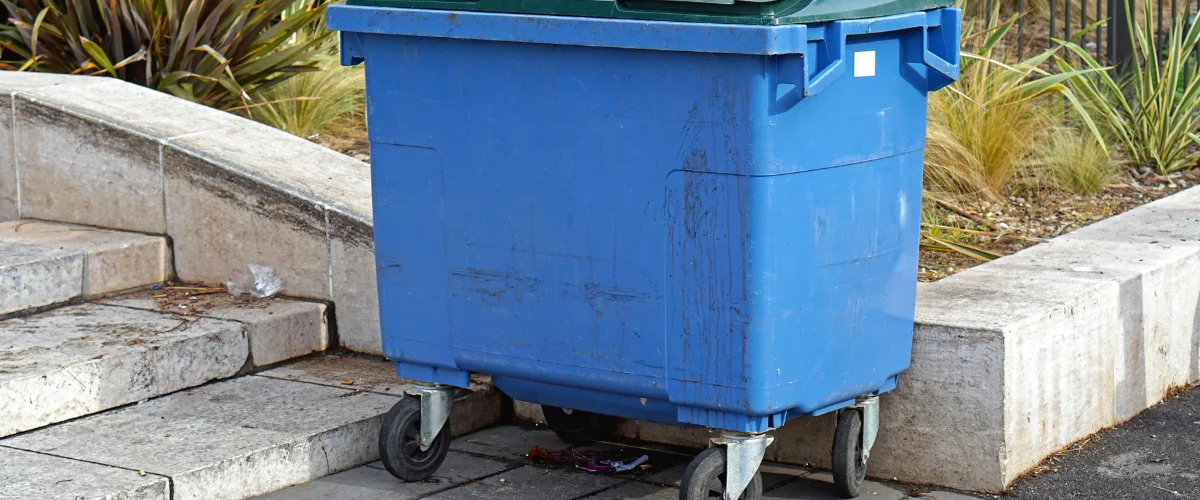
A Cleaner Dumpster Area Makes a Bigger Difference Than You Think
Dumpster pads may never be the most glamorous part of property ownership, but they are one of those areas where neglect becomes obvious quickly.
A clean dumpster enclosure helps control odors, improves the appearance of your property, reduces food residue that attracts pests, and makes the entire waste area easier to manage.
That is especially important in Edwardsville, where hot summers, humidity, heavy rain, leaves, winter weather, and everyday trash disposal can create a tough combination for outdoor concrete.
If you own a rental home, multifamily property, HOA-managed property, or local business, take a look at your dumpster area the next time you walk past it. If you see thick stains, grease, organic buildup, or signs that a garden hose is no longer doing the job, it may be time for professional dumpster pad cleaning in Edwardsville, IL.
Trash Can Pandas is ready to help you get the area cleaned properly without making the process complicated. When you are ready to discuss your property or schedule service, contact us at (618) 210-5760.